Commercial Waste Removal in Dalston
Commercial waste removal in Dalston should be straightforward, organised and suited to the way local businesses actually work. We provide a practical waste clearance service for offices, shops, hospitality venues, studios and other premises that need bulky waste, mixed rubbish or recurring commercial collections handled without fuss. The aim is simple: remove waste responsibly, keep the process tidy, and help you make informed choices about what should be reused, recycled or disposed of.
Our service can cover one-off clearances, scheduled waste removal and the lifting of awkward items that do not fit standard bins. That might include packaging, office fittings, stockroom clutter, broken furniture, non-hazardous business refuse and general premises waste. Every load is handled with care, and the work is planned around access, volume and the kind of materials involved, so the collection feels controlled rather than disruptive.
When you need to clear space quickly and responsibly, it helps to use a service that understands both the operational and practical side of commercial rubbish removal. A well-organised collection supports daily trading, keeps storage areas usable and reduces the build-up that can make a workplace harder to manage. If you are comparing options, you can start by reviewing the scope, then request a quotation when you are ready.
Business Waste Collections for Day-to-Day Operations
For many premises, business waste is not a single large job but a steady flow of packaging, broken goods, redundant fittings and disposable materials. Our commercial waste removal service is designed to deal with that type of ongoing pressure in a way that suits smaller units as well as busier workplaces. The emphasis is on practical clearance rather than overcomplicated arrangements, so the waste is taken away in a way that fits the space you have available and the type of business you run.
Commercial waste often needs more thought than domestic rubbish because the contents, access route and timing can all vary. A back office may contain old shelving and files, while a front-of-house area might need furniture or display items removed before a refit. In each case, the job is to separate what can be diverted for recycling from what must be taken away as general waste, keeping the process orderly and suitable for business premises.
Office, Shop and Stockroom Clearances

Office clearance work is often about restoring usable floor space without disturbing the rest of the building. That can mean removing desks, chairs, filing units, computers, monitors, storage pieces and other redundant items left behind after reorganisation or refurbishment. Where required, we can also clear mixed office waste such as paperwork, small fittings and packaging, provided the contents fall within the service scope and are safe to handle as part of a normal clearance.
Retail and stockroom clearances tend to involve a different mix of waste. You may need broken fixtures taken out, redundant shelving removed or surplus stock packaging collected after a reset. In these spaces, timing and access matter, because the clearance needs to happen around deliveries, customers or staff movement. That is why it helps to think about the route from the waste area to the vehicle, the level of sorting required and any items that need to stay in place.
If you are arranging a larger commercial clearance, useful details usually include the type of waste, the level of access, and whether lifting, sorting or dismantling is likely to be needed. Pricing and quotes can be easier to discuss once the main materials are known, especially when the load mixes furniture, packaging and general rubbish. For many businesses, the best next step is simple: outline the job and ask for a quotation.
Furniture, Fixtures and Bulky Items
Bulky commercial items often need more than a basic bin collection because they are heavy, awkward or difficult to move through narrow doors and shared corridors. We can remove business furniture, waiting-room seating, office storage units and other large items that are no longer needed. The service is useful where items are being replaced, removed during a move, or cleared after a change in layout, and it helps avoid clutter lingering in working areas.
Some clearances also involve fixtures and fittings that are not quite waste at first glance, yet are no longer required. That may include shelving, counters, reception furniture, display pieces or storage equipment that has reached the end of its use. In a commercial setting, it is usually better to remove these items in an organised way rather than leave them blocking access while the rest of the premises stays open.
Recycling, Sorting and Responsible Disposal

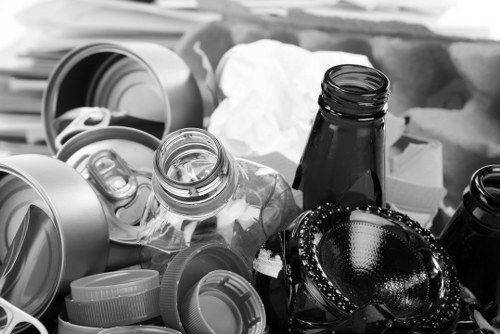
Responsible disposal starts with sorting. A mixed commercial load may contain recyclable materials, reusable furniture, general rubbish and items that need specialist handling. We aim to separate materials where practical, so the removal is not simply about taking everything away in one movement. It is about handling the waste sensibly, reducing avoidable landfill where suitable alternatives exist, and keeping the process consistent with the type of load collected.
That approach is particularly useful when a business clears multiple areas at once. An office might produce metal shelving, cardboard packaging, paper waste and worn-out chairs, while a shop may have display units, plastics and mixed refuse from a refit. Sorting those materials properly is one reason commercial waste removal benefits from a structured approach rather than a rushed one. It allows the job to be completed tidily and with clearer outcomes for the customer.
Where businesses want a better sense of how waste is managed, our recycling and sustainability page gives a broader view of the principles behind the service. It is helpful for anyone who wants disposal arranged with care, but the practical point remains the same: if your load includes multiple material types, a considered collection will usually be easier to manage and easier to explain in a quotation.
Planning Access, Load Size and Collection Details
Commercial waste removal often works best when the access route, item type and approximate volume are understood before the collection is arranged. That does not mean the job has to be overplanned; it means the collection should suit the site. A ground-floor office, a rear service yard, a top-floor workspace and a shared entrance all create different handling considerations, so the route to the waste matters as much as the waste itself.
A clear description of the materials helps the collection to be planned properly. If the load contains mainly furniture, mainly general waste, or a mix of both, that changes how the removal is approached. If some items are dismantled, boxed or stacked, that is useful to know too. For larger or more varied clearances, it is sensible to explain whether the waste is on one floor or spread across several rooms, because that affects the time and effort required.
When you are ready to move ahead, you can keep the enquiry simple: describe the premises, the type of waste, the access conditions and any items that should be handled separately. If a quotation is needed, contact us with the key details and the team can respond based on the information supplied. A short, accurate outline often makes the process smoother than sending vague instructions or waiting until the waste has already built up.
Business Waste for Refits, Moves and Resets
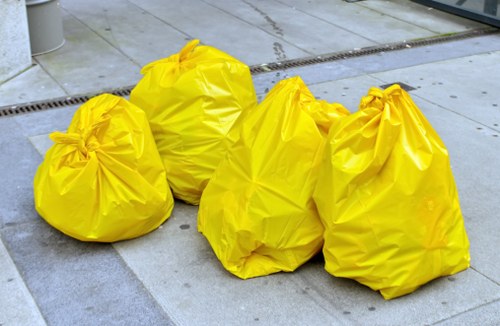
Refits and relocations often generate waste that is awkward to manage alongside the main project. Old fittings, redundant furniture, packaging, broken items and mixed rubbish can quickly occupy the areas that need to stay clear. A commercial waste collection can help remove those materials in a planned sequence, so the business can continue with fitting-out, moving or reopening without unnecessary congestion around the site.
Not every clearance is a full strip-out. Sometimes the work involves removing a few key items before decorators, contractors or staff can use the space properly again. In those situations, the service is most useful when it stays flexible enough to deal with the actual waste present, rather than forcing it into a one-size-fits-all pattern. That applies to offices, hospitality spaces, retail units and other business premises where timings can change quickly.
For this kind of work, a simple list is often enough to start the conversation:
- the rooms or areas involved;
- the main waste types and any bulky items;
- how easy the site is to access;
- whether the clearance must happen before a new installation or handover.
Furniture Disposal and Larger Item Removal
Some commercial clearances are dominated by furniture rather than loose waste. Chairs, tables, cupboards, storage units and other large items can be hard to dispose of through ordinary means, especially when several pieces need removing at once. Our furniture disposal service is designed for that situation, whether the items are coming out of an office, a customer area or a back-of-house storage space.
When bulky items are removed together, the key question is often how they will be lifted, moved and separated from the rest of the waste. Larger items may need to be carried out in stages, particularly if the building has narrow corridors, stairs or shared access. In practice, that means the collection is usually best arranged once you know which items are staying, which are going, and whether anything needs careful handling during removal.
You can also look at furniture disposal for a more specific service page if the main task is mainly chairs, desks or other office pieces rather than general waste. Clear item lists save time, but there is no need for a complicated inventory unless the load is substantial or the premises contain mixed materials that need separating before collection.
About Dalston
Dalston is an area in the London Borough of Hackney, in east London, known for its dense streets, transport links and a long history of change. The place developed from what was once a more rural settlement into a busy urban district during the nineteenth century, shaped by railway expansion, terrace building and the wider growth of inner London. Today it is usually understood through its main roads and neighbourhood centres, especially around Kingsland Road, Dalston Lane and the junctions that connect them to Hackney and Stoke Newington. The area includes a varied mix of housing, local businesses, studios, community spaces and independent venues, with older residential streets sitting alongside newer developments and restored buildings. Dalston Junction station and Dalston Kingsland station are important parts of the local transport pattern, helping define the district’s role as a well-connected part of north-east London. The area is also associated with a lively cultural scene, shaped by music venues, markets, cafes and small-scale creative activity that has become part of its identity over recent decades. Green spaces nearby include Hackney Downs to the east and larger parks and commons across the wider borough, while the streets themselves reflect a layered architectural character, from Victorian terraces and shopfronts to modern infill. That combination of history, movement and density gives Dalston a distinctive urban texture without reducing it to a single theme.
Clearance for Hazardous, Confidential and Specialist Waste
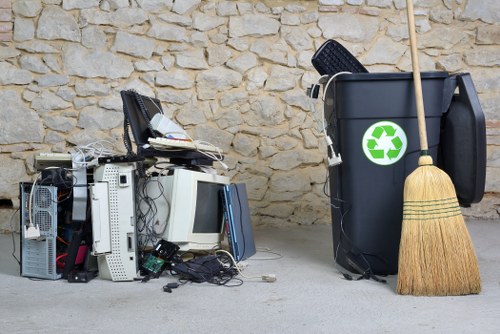
Not every business waste job is suitable for a standard collection, and some materials need extra caution or a different route entirely. Items such as sharp objects, chemical residues, electrical components or other controlled materials can require specialist handling, depending on what they are and how they are stored. Where a load includes anything unusual, it is important to identify it early so the collection can be assessed properly and nothing unsafe is mixed into an ordinary clearance.
Some businesses also need confidential materials removed securely. That can include paper records, archiving waste or sensitive documents that should not be left in open bags or shared storage. In these situations, the main concern is not only disposal but also the way the material is handled from the point of collection onward. A careful, structured service is better suited to that kind of load than a general tidy-up approach.
For support with controlled or sensitive materials, use the enquiry process to explain exactly what is involved and what must be kept separate. If your waste load is straightforward, the request can stay simple; if it is mixed or unusual, a bit more detail is sensible. The practical next step is to ask for a quotation and describe the waste clearly so the work can be matched to the requirements of the site.
Booking the Right Commercial Waste Collection
Choosing the right collection is usually about matching the service to the waste rather than choosing the biggest option available. A modest office refresh may only need a small clearance, while a multi-room business move could involve several categories of waste at once. The best result comes from being realistic about the job: what must be removed, what can be left, and whether access or timing creates any constraints on the day.
It also helps to think about what outcome matters most to you. Some customers want the space cleared for trading, some need a unit emptied for handover, and others simply want accumulated waste dealt with before it becomes harder to manage. Commercial waste removal can support all of those situations, but the arrangement should be based on the actual premises and materials rather than a generic assumption about what businesses usually need.
If you are comparing options, start by identifying the waste and then decide whether it needs one-off removal or a broader clearance. Business waste removal is the main service page if you want to see the core offering in one place, while the detailed pages above cover related disposal types. Once you are ready, the final step is straightforward: send the details and request a quotation.