Hidden Charges in Dalston Rubbish Collection What to Watch For
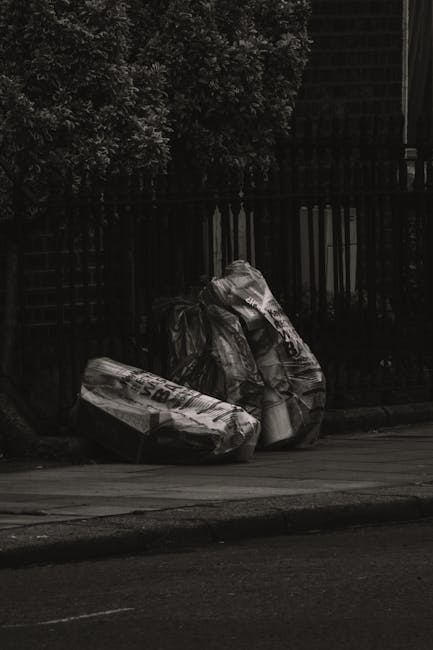
If you have ever booked rubbish collection in Dalston and then felt a small jolt when the final bill arrived, you are not alone. Hidden charges in Dalston rubbish collection are exactly the sort of thing that can turn a simple clearance into a frustrating one. The price looked fine, the booking felt quick, and then suddenly there are extras for access, labour, awkward items, waiting time, or disposal. Bit annoying, really.
This guide breaks down what those hidden charges usually look like, how they appear in quotes, and what you can do to spot them early. Whether you are clearing a flat near the station, emptying a shared house, or booking a one-off commercial collection, the goal is the same: understand the real cost before anyone turns up with a van.
We will look at the warning signs, practical questions to ask, and the small details that often make the biggest difference. You will also find a checklist, a comparison table, and a realistic example so you can make a calmer, better-informed decision. Let's make the whole thing a bit less mysterious.
Why Hidden Charges in Dalston Rubbish Collection What to Watch For Matters
The obvious reason is money. Nobody likes paying more than expected, especially for a service that should be straightforward. But there is a second issue too: hidden charges usually point to vague quoting, and vague quoting often leads to avoidable hassle on collection day.
In Dalston, where properties can mean narrow stairwells, restricted parking, basement flats, shared entrances, or tricky loading access, a cheap headline price can hide a lot. A van may be quoted for a simple collection, then extra labour is added because the waste had to be carried down three flights of stairs. Or the collection is delayed because the team could not park right outside. Suddenly the deal doesn't look so neat.
To be fair, some extra charges are genuine and reasonable. If the waste is heavier than expected, if special handling is needed, or if hazardous items are involved, a reputable provider should charge accordingly. The problem is not all extras. The problem is surprises.
This matters even more if you are arranging clearance for a tenant move-out, a renovation, or a business clean-up where timing is tight. A small overrun can throw off the day. And once you are halfway through moving furniture or emptying a room, you are in a weaker position to push back.
Expert summary: The safest approach is not to chase the lowest quote. It is to compare like-for-like pricing, understand what is included, and ask the awkward questions before booking. A five-minute check now can save a very irritating argument later.
How Hidden Charges in Dalston Rubbish Collection What to Watch For Works
Hidden charges usually appear because the initial quote is built on assumptions. That is not always shady on its own. The issue is whether those assumptions are made clear. A good provider will explain them. A poor one may bury them in small print or only mention them after arriving.
The most common structure is a low base price plus add-ons. For example, the quote may cover only a certain volume of waste, only kerbside loading, or only easy access. Anything outside those conditions can trigger extra fees. That means two jobs that look similar at first glance may end up costing very different amounts.
Here are the usual ways these charges show up:
- Access charges for stairs, long walks from the van, locked gates, or no nearby parking.
- Weight charges if the load is heavier than expected, especially with soil, rubble, tiles, or wet materials.
- Item-based charges for bulky pieces such as wardrobes, mattresses, sofas, fridges, or appliances.
- Time-related fees if the crew waits while you finish sorting items or clear a route.
- Special handling fees for hazardous waste, confidential material, or items needing separate treatment.
- Disposal or recycling fees if the waste stream is more complex than standard mixed rubbish.
Another pattern to watch is the "starting from" quote. That can be perfectly legitimate, but only if the provider clearly states what the starting point includes. Without that, the phrase can be doing a lot of heavy lifting. A quote of GBPX may sound reassuring until you discover it excludes labour, congestion-related delay, or loading beyond the pavement. You get the idea.
In practical terms, the final price should reflect three things: what you have, where it is, and how easy it is to remove. If one of those changes, the price may change too. The key is transparency.
Key Benefits and Practical Advantages
Spotting hidden charges is not just about avoiding overpaying. It also helps you choose the right rubbish collection service for the job. A clear, well-structured quote gives you a better sense of who is prepared, professional, and realistic.
1. Better budget control
If you know the full cost upfront, you can plan properly. That matters for landlords, small businesses, and anyone trying to finish a clearance within a set budget. No one enjoys a neat spreadsheet turning messy because of a surprise surcharge.
2. Less stress on collection day
Clear pricing usually goes hand in hand with clearer expectations. You know what the team will collect, where they will load from, and what will happen if conditions change. Less back-and-forth, less awkwardness, less standing by the door in your socks wondering why the price changed.
3. Faster decisions
Once you understand the pricing model, comparing providers becomes easier. You are no longer comparing vague promises; you are comparing actual service scope, access rules, and disposal requirements.
4. Better service matching
Some jobs are better suited to full rubbish removal, while others suit furniture clearance, appliance removal, or a more targeted service. That kind of clarity can save money and reduce unnecessary waste handling.
If you are thinking about a broader clearance, it can also help to look at related services such as waste removal or more specific support like house clearance and office clearance depending on the job.
Who This Is For and When It Makes Sense
This topic matters to a wider group than people sometimes realise. It is not just about a one-off sofa pickup. Hidden charges can affect anyone arranging waste collection in Dalston, especially where access is tight or the load is mixed.
You may want to pay close attention if you are:
- A tenant or flat sharer clearing out after a move.
- A landlord or letting agent managing an end-of-tenancy clearance.
- A homeowner dealing with renovation rubbish, old furniture, or loft clutter.
- A small business owner removing office waste, packaging, or bulky equipment.
- A cafe, market, or retail operator trying to keep collections predictable.
- Anyone with awkward access such as stairs, a rear yard, or limited parking.
It also makes sense if you are comparing rubbish collection to other disposal options. For example, some people assume a skip is the obvious choice, then find the permit, space, or loading issues make it less practical. Others discover that a direct collection service is easier, especially for heavier items or one-time clearances. If you are comparing methods, the page on what can go in a skip may help you work out whether a skip-style approach even suits your waste stream.
Truth be told, the best time to think about hidden charges is before the booking is made, not after the van is outside. Once you are committed, the leverage disappears fast.
Step-by-Step Guidance
If you want to reduce the risk of surprise costs, follow a simple process. Nothing fancy. Just a sensible, methodical approach.
Step 1: List exactly what needs collecting
Do not say "a few bits" if you can help it. Make a rough inventory: mattresses, a sofa, a broken fridge, bags of mixed rubbish, cardboard, timber offcuts, old office chairs, or garden waste. The more specific you are, the more accurate the quote should be.
Step 2: Note access conditions
Check whether the collection point is street level, up stairs, through a communal hallway, or down a side passage. Note parking restrictions, gate codes, and any loading limitations. In Dalston, small details like these can change the labour required quite a bit.
Step 3: Ask what the quote includes
Ask directly whether the price includes labour, loading, travel, disposal, recycling, VAT if applicable, and any minimum charge. If there is a cap on volume or weight, ask for it in plain English.
Step 4: Ask what counts as an extra
This is the useful bit. Ask what would trigger an extra fee. Stairs? Distance from vehicle? Heavy rubble? Special items? Waiting time? A reputable provider should explain this calmly, not act as though you are being awkward. You are just being sensible.
Step 5: Confirm whether photos are needed
Many providers can quote more accurately from photos. A few pictures of the waste pile, the access route, and any bulky items often reduce the risk of mispricing. Try to capture the full load rather than just the neatest bit.
Step 6: Get the final price in writing
That can be by email, booking confirmation, or online quote summary. The point is to have something that records what was agreed. If the provider only gives a verbal estimate, that is a yellow flag in most situations.
Step 7: Re-check before collection day
If the load changes, tell them. A last-minute extra mattress or a hidden pile of bricks can affect the price. It is far better to update the booking than to argue at the kerbside while the kettle is still warm indoors.
If booking online is your preference, a service such as book online can be useful, but only if you still take the time to read what is included. Quick booking is great. Blind booking, not so much.
Expert Tips for Better Results
Here are the habits that usually make the biggest difference. Not dramatic, just consistently useful.
- Use photos from different angles. One image is rarely enough. Show depth, not just width.
- Separate obvious special items. A fridge, mattress, or hazardous item may need different handling.
- Ask whether recycling affects price. Some providers build recycling costs into the quote, while others itemise them.
- Be honest about access. Understating stairs or distance is one of the quickest ways to create a dispute.
- Check whether waiting time is charged. If you need to sort items as the crew arrives, that may matter.
- Compare full-service value, not just headline numbers. A slightly higher quote can be cheaper overall if it includes labour and disposal.
One small but useful trick: if you are not sure whether an item counts as bulky waste, ask before the booking rather than assuming. A "large chair" and a "sofa bed" are not the same job, and the difference shows up in the price.
Another thing people overlook is timing. A rushed same-day job can cost more than a planned slot, especially if access is awkward. If your collection is not urgent, allow a little breathing room. That is often where you save.
And yes, providers should be able to explain all this without sounding like they are reading from a machine. If the answer feels slippery, trust your instincts a bit.
Common Mistakes to Avoid
Most surprise charges are preventable, and the mistakes behind them are pretty familiar.
1. Accepting a quote without defining the load
If the provider does not know what is being removed, the quote is little more than an estimate with hope attached. Hope is not a pricing method.
2. Ignoring access issues
In places like Dalston, access is often the hidden factor. A flat above a shop, a basement room, or limited stopping space can all affect labour time and cost.
3. Assuming all waste is priced the same
Mixed household rubbish, builder's waste, appliances, and green waste can all be treated differently. If you mix them without disclosure, the final bill may reflect that.
4. Forgetting about prohibited or special items
Some items need special handling. Hazardous waste is the obvious example, but confidential documents, refrigerant appliances, and some electrical items may also need separate treatment.
5. Not checking whether VAT or disposal fees are included
Sometimes the price looks low simply because it does not include everything yet. That is why the wording around "all-inclusive" matters so much.
6. Being vague about urgency
If you need a specific time window or same-day turnaround, say so. Time pressure can alter the price, and in some cases it should.
There is a simple rule here: if the quote sounds too easy, ask one more question. Usually, that is the question that saves you money.
Tools, Resources and Recommendations
You do not need fancy software to avoid hidden charges. A bit of organisation is enough.
- Phone camera: take clear photos of the waste and the access route.
- Notes app: list items, approximate quantities, and any special concerns.
- Measuring tape: useful for bulky furniture, tight doorways, or appliances.
- Message thread or email record: keep the quote and any clarifications in writing.
- Calendar reminder: note the agreed collection time and any access instructions.
For homeowners and tenants clearing several rooms, related services can help you plan better. A loft packed with old boxes may need loft clearance, while a hallway full of broken furniture might be better handled through furniture clearance or furniture disposal. Choosing the right service is often what keeps the invoice tidy.
If your load includes mixed items after a kitchen refresh, the pages on fridge and appliance removal and mattress and sofa disposal may be more relevant than a general clearance. That sounds obvious, but people skip this step all the time.
Practical note: If a provider offers a quote that seems unusually cheap, check whether the job is limited to kerbside pickup, whether labour is included, and whether disposal is extra. Cheap can be fine. Cheap and vague is where the trouble starts.
Law, Compliance, Standards, or Best Practice
Waste collection is not just a pricing issue. It also sits within legal and operational expectations that reputable providers should follow. You do not need to know every detail, but it helps to understand the basic principles.
In the UK, waste must be handled responsibly, with proper disposal routes and attention to segregation where needed. Certain items, such as hazardous materials, electrical goods, or confidential documents, may require specialist treatment. A professional provider should be able to explain how these items are managed without overpromising or brushing the topic aside.
Good practice usually includes:
- clear pricing terms before collection
- honest description of what is included
- safe loading and transport
- appropriate handling of restricted or hazardous items
- evidence of responsible disposal routes where relevant
- respect for safety, access, and property protection
If you are dealing with workplace waste, there is another layer to consider: confidentiality, safety, and the duty to keep operations compliant. That is why services such as confidential shredding, hazardous waste disposal, and insurance and safety matter more than many people realise.
Best practice, honestly, is simple: ask for clarity, keep records, and do not assume the cheapest quote is the most compliant or the safest. Most decent operators are happy to explain their process. If they are not, that tells you something useful.
Options, Methods, or Comparison Table
To help you compare common approaches, here is a practical overview. Exact pricing will vary by job, so think of this as a decision guide rather than a fixed rulebook.
| Option | Best For | Main Risk | Hidden Charge Watch-out |
|---|---|---|---|
| General rubbish collection | Mixed household or light commercial waste | Unclear volume or access assumptions | Extra labour, waiting time, disposal add-ons |
| Bulky item collection | Sofas, mattresses, white goods, furniture | Item type not fully declared | Charges for stairs, awkward handling, heavy items |
| Full property clearance | Moves, probate, tenancy changeovers | Scope expands during the job | Added rooms, extra bags, special waste |
| Targeted specialist removal | Appliances, confidential waste, hazardous items | Wrong service chosen for the material | Special handling or compliance fees |
| Skip-style approach | Projects with predictable waste and space | Permit, space, and loading constraints | Overfill, prohibited items, access complications |
There is no single best option for everyone. A compact flat clearance might work best with direct collection, while a renovation project may need something more structured. For people comparing methods, a bit of planning often lowers the overall bill more than chasing a bargain ever will. That's the truth of it.
Case Study or Real-World Example
Here is a realistic example from the kind of job that causes trouble if the details are not nailed down.
A resident in Dalston needed to clear a one-bedroom flat after a move. The waste included a bed frame, mattress, two office chairs, several bags of mixed rubbish, and some packaging from new furniture. The first quote looked reasonable because it was based on the visible bags and one large item. However, the flat was on the third floor with no lift, the parking outside was tight, and there was an extra bulk item in the hallway that had not been mentioned at the start.
On the day, the provider revised the price because the loading time was longer than expected and the access was more difficult than described. The collection still happened, but the customer was understandably irritated. Not angry, just fed up. And that is often the worst kind of experience because it leaves everyone slightly annoyed and nobody fully satisfied.
What would have helped? A few photos, a better item list, and a clear conversation about stairs and parking before booking. That would have made the quote much more accurate and probably avoided the awkwardness altogether.
The useful lesson is simple: the more ordinary the job looks, the easier it is to miss the small details that change the cost. It happens all the time. Especially in flats. Especially when you are rushed.
Practical Checklist
Use this before confirming a rubbish collection in Dalston.
- List every item to be removed.
- Take photos from several angles.
- Check for stairs, lifts, parking, and walking distance.
- Ask whether labour, disposal, and VAT are included.
- Ask what counts as an extra charge.
- Confirm whether bulky, heavy, or specialist items change the price.
- Check whether the quote is fixed or estimated.
- Keep the quote in writing.
- Tell the provider if the load changes before collection day.
- Ask how hazardous, confidential, or electrical waste is handled.
- Make sure the service matches the waste type, not just the lowest price.
If you can tick off most of those points, you are in a much better position. Simple really, but it works.
Conclusion
Hidden charges in Dalston rubbish collection are usually avoidable if you slow the process down just enough to ask the right questions. The headline price matters, yes, but the real cost is shaped by access, weight, item type, labour, and disposal rules. Once you understand that, the whole thing becomes a lot less stressful.
Think of it this way: a good quote should help you feel informed, not cornered. If a provider is transparent, specific, and easy to deal with, that is usually a strong sign you are in safer hands. And if the pricing still feels vague after asking straightforward questions, there is no harm in walking away. None at all.
For jobs that need a more tailored approach, you may also want to explore services such as business waste removal, builders waste clearance, or garden clearance depending on what you are clearing. Matching the service to the waste is one of the easiest ways to avoid unnecessary add-ons.
Get a free quote today and see how much you can save.
And if you take only one thing from this guide, let it be this: clarity upfront is cheaper than surprise later. Every time.
Frequently Asked Questions
What are the most common hidden charges in rubbish collection?
The most common extras are labour for stairs or difficult access, heavier-than-expected loads, special handling for certain items, waiting time, and disposal charges that were not explained clearly at the start.
How can I tell if a quote is fixed or just an estimate?
Ask directly and get the answer in writing. A fixed quote should say what is included and what would trigger a change. If the provider avoids that question, treat it as an estimate until proven otherwise.
Why do stairs or lack of parking affect the price?
Because they increase the time and effort needed to load the waste. More time usually means more labour, and that is one of the main reasons the final price changes.
Are bulky items always charged separately?
Not always, but they often are. Sofas, mattresses, fridges, and similar items may need separate handling or disposal routes, so it is worth asking before booking.
Can I avoid hidden charges by sending photos?
Yes, photos help a lot. Show the waste pile, the route from the property, and anything that might make loading harder. It is one of the simplest ways to improve quote accuracy.
Do all rubbish collection services include disposal costs?
No. Some do, some do not, and some include only standard disposal for certain waste types. Always ask whether the quote includes collection, transport, and disposal together.
What should I do if the provider changes the price on arrival?
Ask for a clear explanation before agreeing to anything. If the new price reflects a genuine difference from what was described, it may be reasonable. If not, you are entitled to challenge it or pause the job.
Is same-day rubbish collection more likely to have extra charges?
It can be, especially if the job is urgent or the access is not straightforward. That does not mean same-day is bad value, only that you should be even clearer about the details.
How do I compare two rubbish collection quotes fairly?
Compare what each quote includes: labour, access conditions, disposal, specialist items, and any minimum charges. A slightly higher quote can be better value if it is more complete and transparent.
What waste types are most likely to cause price changes?
Mixed builder's waste, heavy rubble, appliances, mattresses, sofas, and anything hazardous or confidential are the usual suspects. They often need different handling, so they should be declared early.
Is it better to choose the cheapest option?
Not necessarily. The cheapest option can become expensive if it excludes key parts of the job. The better choice is the one that is clear, appropriate, and honest about what is included.
What is the best way to avoid surprise fees in Dalston?
Be specific about the waste, honest about access, ask what is included, and keep the quote in writing. That combination prevents most of the usual problems and makes booking much calmer.
Can business waste be priced differently from home rubbish?
Yes. Commercial jobs can involve different materials, volumes, timings, or compliance needs. If you are arranging a workplace collection, make sure the service is suitable for business waste rather than assuming it is the same as domestic clearance.